
Work situations
Start with the work, wherever it happens.
A lone-worker plan depends on the task, the connection and the people who can follow up. Explore common working situations and the questions to bring to your team.
Find your working day
How does your team work alone?
Choose a situation to see practical planning questions. A team may fit more than one.
WORK SITUATION
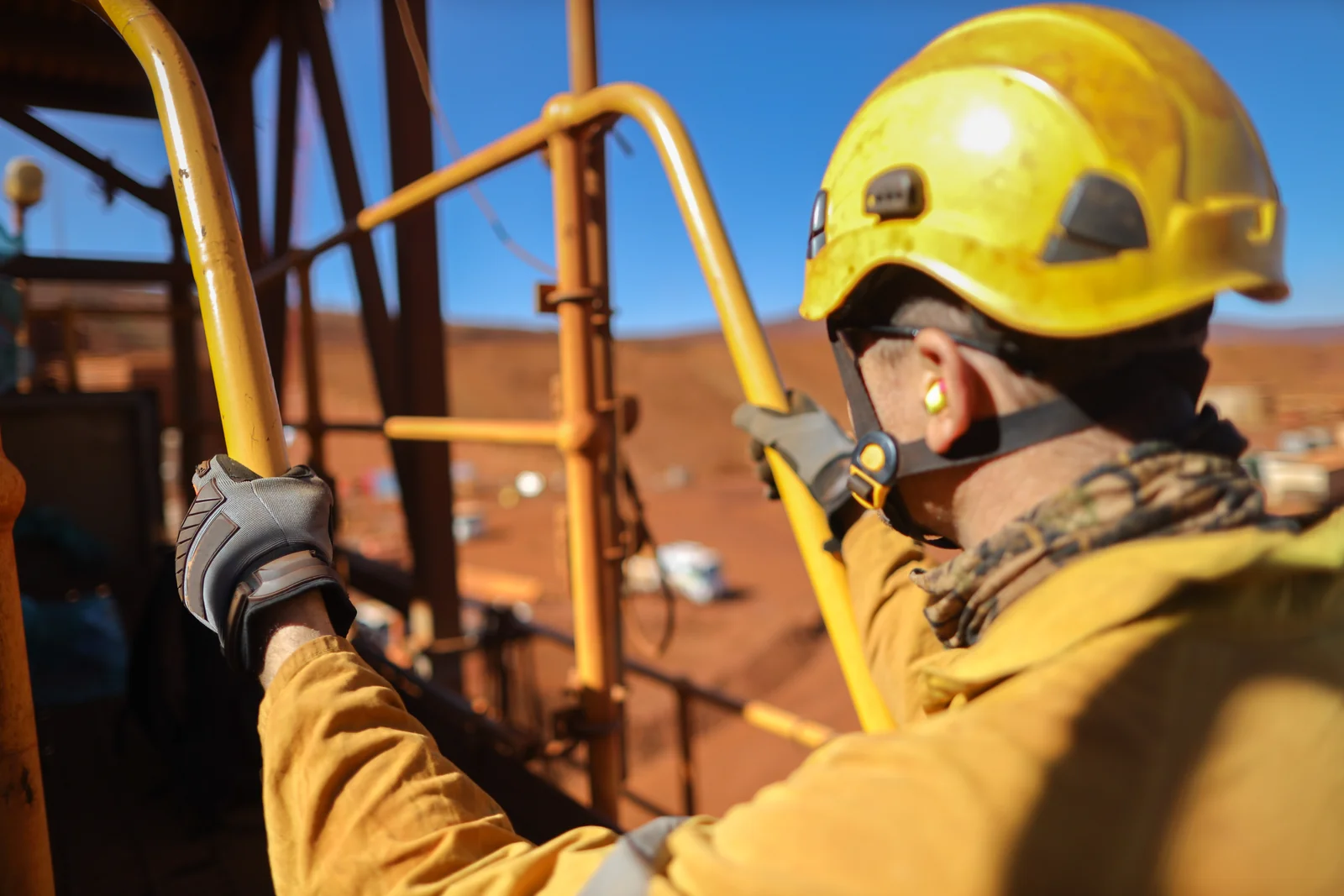
Remote work and limited coverage
An environmental survey, forestry assignment or agricultural site visit can take someone outside mobile coverage, even on a familiar route. A check-in plan needs to account for periods when contact may be unavailable.
- The working plan
- Agree check-in intervals and record the route, work area, hazards and coverage gaps in Contact Notes. Ensure the worker’s ERP Group has primary and secondary Emergency Contacts.
- The connection
- The Be Safe app is optimized for low-bandwidth Ultra Constrained Networks and can support core functions over satellite cellular data on a compatible phone and service. A linked satellite communicator is a separate setup. Confirm supported actions, coverage, subscriptions, power and clear-sky needs for the work location.
- People and follow-up
- If a check-in becomes overdue, a Be Safe Operator tries to call or message the worker using available service and uses your response instructions. When escalation is needed, the operator contacts your Emergency Contact and coordinates the response. The operator records actions in the Be Safe Activity Log.
WORK SITUATION
Moving between field-service sites
A service technician, construction inspector or maintenance worker may be alone at a customer site, a piece of equipment or an inspection stop. The task, people nearby and available connection can change through the day.
- The working plan
- Agree a check-in interval for the work. Workers can adjust the interval as risks change and let their team know when plans change.
- The connection
- Check the phone and any connected equipment against the tasks and locations. For gas detection, review the detector model, configuration and events your setup supports.
- People and follow-up
- If a check-in is missed, a Be Safe Operator uses your response instructions and can coordinate with your Emergency Contact. Operators record follow-up in the Be Safe Activity Log. Authorized supervisors can review available shift reports and the map archive.
WORK SITUATION
Working alone in a facility or after hours
A facilities, cleaning or security worker may be alone while opening a building or responding after hours. A manufacturing maintenance technician may work apart from the crew during a shutdown or repair equipment after the shift ends. Familiar premises still need a plan.
- The working plan
- Agree when the shift starts and ends, how often the person checks in and who can access the site if follow-up is needed. Assess the task before work begins.
- The connection
- Test the communication needed in the actual areas of work, including basements, equipment rooms and other locations where reception may differ.
- People and follow-up
- Keep the group’s primary and secondary Emergency Contacts, site-access instructions and emergency plan current. A Be Safe Operator can coordinate follow-up with your Emergency Contact when needed.
WORK SITUATION
Travel and work between locations
A working day may include driving, roadside stops and time at a destination. Check-in arrangements should reflect the full shift and the work between stops.
- The working plan
- Agree a check-in interval and update Contact Notes when routes or work locations change. Automatic driving check-ins are enabled by default during an active shift.
- The connection
- Consider where the route and stops have coverage, what each action requires and how workers should proceed when a connection is unavailable.
- People and follow-up
- If a check-in is missed, a Be Safe Operator uses your response instructions and can coordinate with your Emergency Contact by phone. The operator records actions in the Be Safe Activity Log.
WORK SITUATION
Public-facing visits and appointments
A social-service or healthcare worker visiting a client, or an inspector meeting members of the public, may be away from immediate colleagues. The setting and ability to use a phone can vary.
- The working plan
- Assess the visit and agree the check-in interval and the steps to follow if plans change. Workers should know how to request assistance using actions supported by their setup.
- The connection
- Consider whether the worker can access the phone and the connection required during the visit. Plan a separate procedure for times when communication is unavailable.
- People and follow-up
- Keep the worker’s primary and secondary Emergency Contacts current. A Be Safe Operator can coordinate with them when escalation is needed.
Build the right plan
Bring the work your team actually does.
Talk through the people, locations, equipment and contacts involved. We can explain the monitoring process and the monthly pricing model.
Be Safe supports a work-alone program. It does not guarantee compliance, communication, emergency dispatch, rescue or outcomes.