
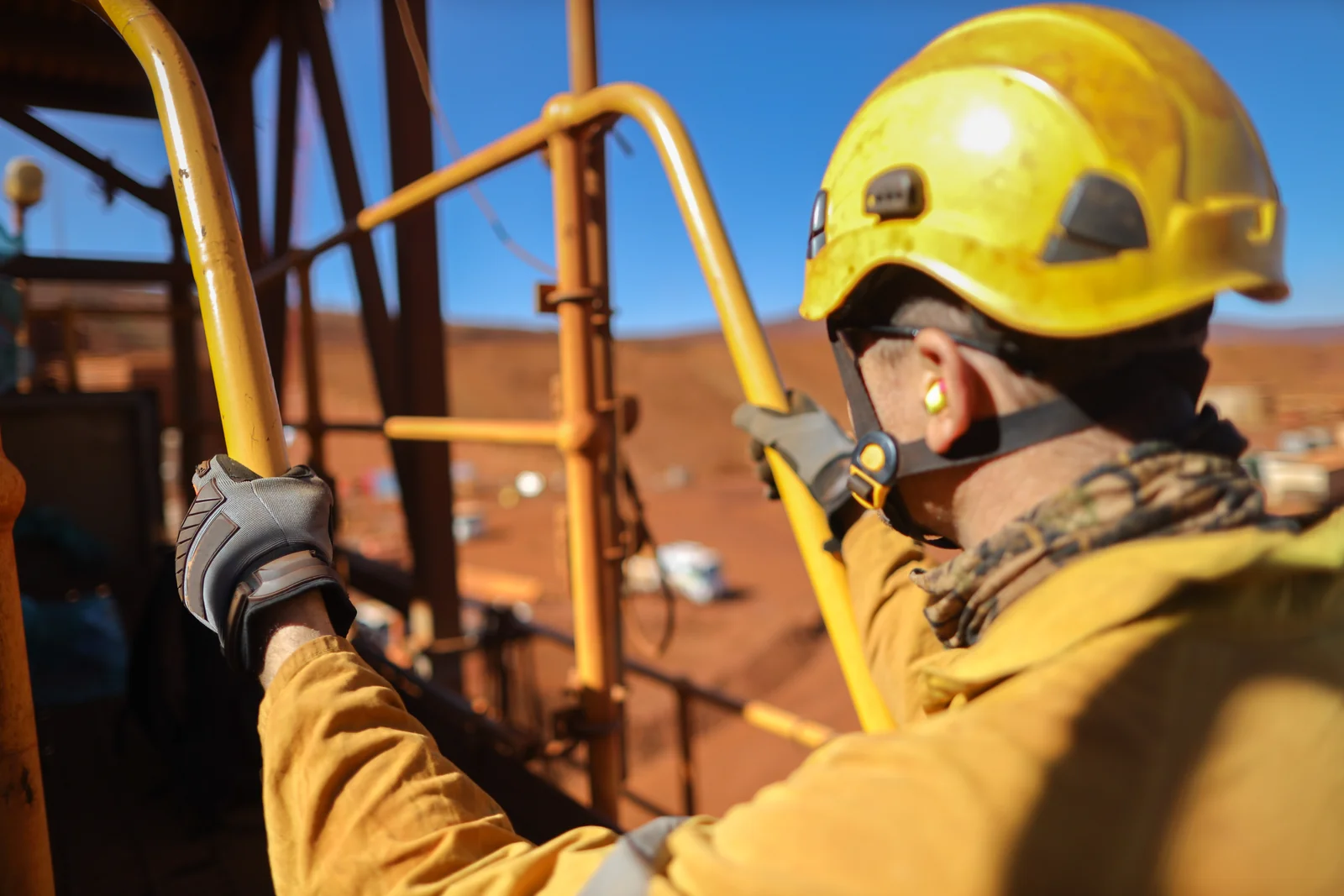
Oil & Gas
Plan for field visits, changing locations and the people responsible when a check-in is missed.
Explore industry guideIndustries
Different places, tasks and shifts call for different plans. Explore examples of how teams work alone and what to consider.
Explore by industry
Find an industry guide or a work situation that matches the people, places and tasks you plan for.
Plan for field visits, changing locations and the people responsible when a check-in is missed.
Explore industry guideConnect service visits, remote facilities and changing shifts to maintained check-in and escalation arrangements.
Explore industry guidePlan contact for tradespeople, inspectors and maintenance workers moving between worksites or working apart from the crew.
Explore industry guidePlan for independent facility work, public-facing duties and after-hours follow-up across municipal services.
Explore industry guideBring changing field plans, limited communication and responsible follow-up into the same conversation.
Explore industry guideConsider check-ins and follow-up for staff visiting clients or working away from immediate colleagues.
Explore public-facing visitsPlan for long routes, changing stops, breakdowns and after-hours follow-up.
Explore industry guidePlan for building operators and maintenance staff working alone in equipment rooms, basements or after hours.
Explore isolated workConsider access, check-in intervals and Emergency Contacts for patrols, opening, closing and cleaning shifts.
Explore after-hours workPlan contact for team members working apart from colleagues during opening, closing and overnight shifts.
Explore industry guideAccount for changing field locations, travel and periods when mobile coverage may be unavailable.
Explore remote workConsider check-ins and site access for people maintaining equipment or working alone during shutdowns and off-hours.
Explore isolated workFind guidance for remote locations, changing sites, after-hours work, travel and visits.
Tell us about the work your team does and we can discuss a suitable setup.
Different work. Shared questions.
Bring these questions to the conversation before choosing equipment or a check-in interval.
Be Safe supports a work-alone program. It does not guarantee compliance, communication, emergency dispatch, rescue or outcomes.